From software agents to physical ones
On 27 August 2026, artificial intelligence (AI) company Anthropic opened a research preview of the Model Hardware Standard (MHS), a shared specification that lets AI agents find, talk to, and operate physical equipment such as robotic arms, microscopes and liquid handlers. Anthropic built it jointly with the Howard Hughes Medical Institute (HHMI) Janelia Research Campus, a biomedical research institute, growing out of a direct collaboration between Anthropic's Alek Kemeny and Janelia's Arco Bast.
The problem MHS is meant to solve is mundane but persistent: connecting a new scientific instrument to software has historically meant a specialist spending weeks or months writing custom code to translate between the two. Anthropic's pitch is that a standard driver plus a reference file describing what a device can measure, what it can change, and which safety limits it must respect turns that process into a job of hours or minutes.
How it works
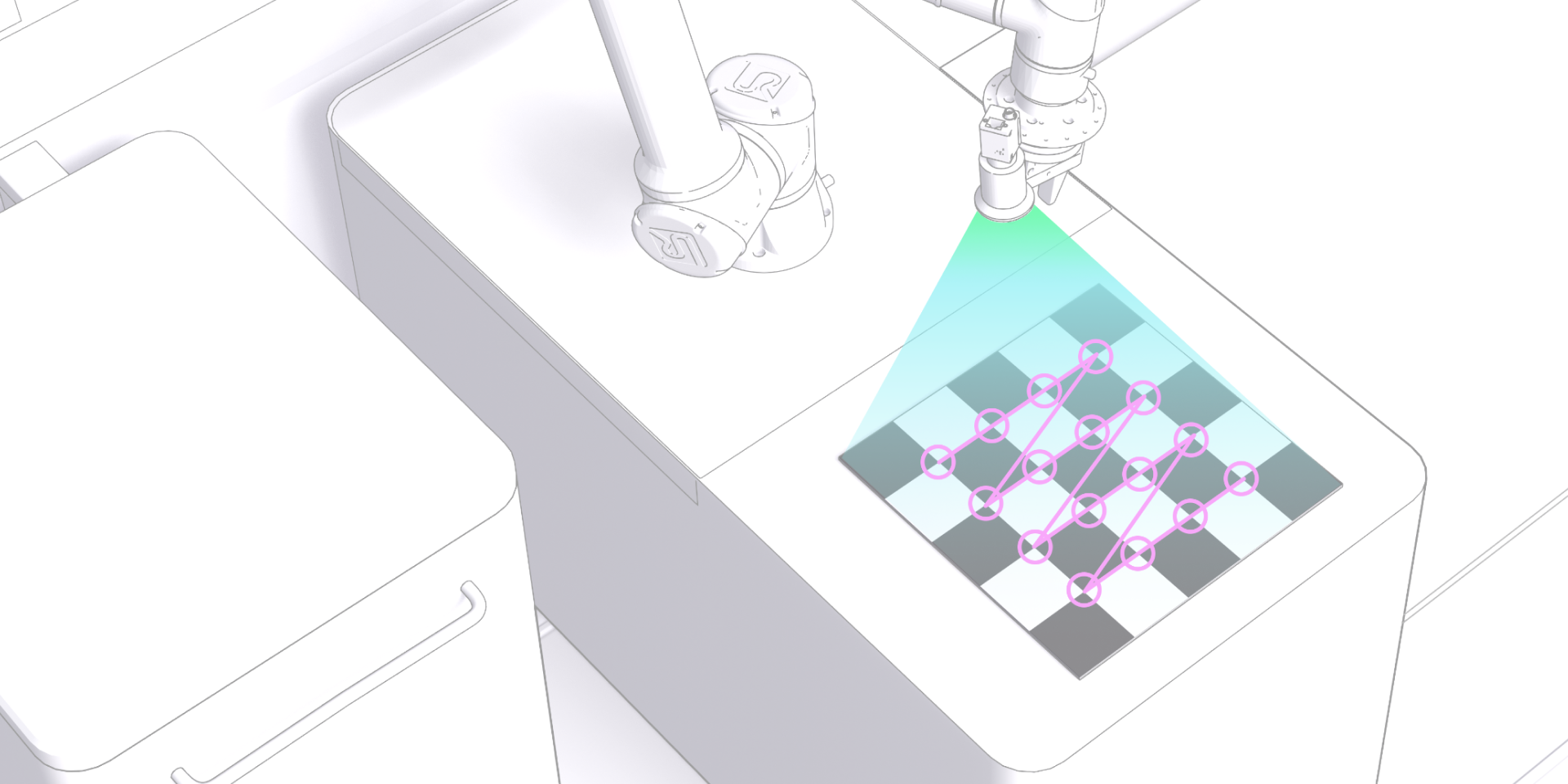
MHS defines a standardized driver that sits between an operating system and a piece of hardware, exchanging simple, universal commands such as "read" and "write" rather than requiring device-specific code. The driver also carries a reference file recording a device's physical characteristics, including weight, safety limits and adjustable parameters, information that previously existed only in paper manuals or in the heads of specialists who had learned a particular machine by trial and error. Anthropic describes the standard as model-agnostic and device-agnostic: it works with any frontier AI model, not only Claude, and with any hardware that exposes a programmable interface. Agents reach MHS-compliant devices through familiar tools, including the Model Context Protocol (MCP), a specification Anthropic open-sourced in 2024 to let AI systems talk to software; Anthropic frames MHS as doing for physical devices roughly what MCP already does for software connections.
What early users saw
Anthropic opened early access to a small group of research and manufacturing partners, including the biotechnology company Genentech, the University of Washington's Baker and Pinglay labs, Carnegie Mellon University, HHMI Janelia, quantum computing company QuEra, and Tetsuwan Scientific. Nine hardware and cloud vendors, Amazon Web Services, Automata, Danaher, Doosan Robotics, MBF Bioscience, QIAGEN, Tecan, Universal Robots and Hugging Face, are separately building MHS support into their own products.
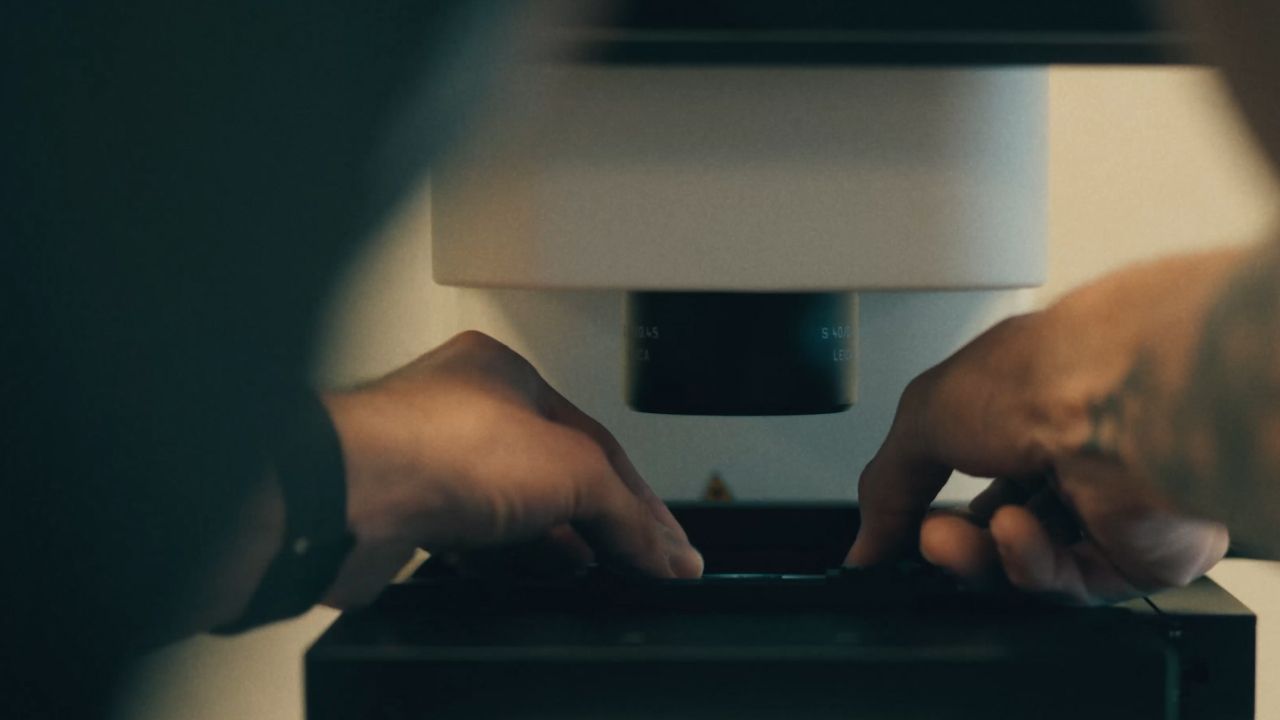
The results partners reported vary widely by task. At Genentech, an AI agent coordinated a protein assay across three separate instruments and adjusted flow rates on its own mid-run. At the University of Washington, researchers used MHS for remote monitoring and AI-supervised quantitative polymerase chain reaction (qPCR) testing, with real-time analysis of the results and robotic handoffs between plates that avoided collisions. Carnegie Mellon reported serial dilution experiments running three times faster, with integration work that took about eight hours instead of the weeks a vendor-supplied solution would have required. HHMI Janelia used MHS to unify a microscopy rig that had been running seven separate control programs into a single interface. QuEra, whose hardware involves laser systems for quantum computing, saw its laser-recovery success rate rise from 58 percent in 150 seconds to 99.3 percent in 6 seconds, with automated tuning cutting noise by a factor of ten. Tetsuwan Scientific used computer vision to catch errors across more than 9,000 liquid-handling dispenses, improving pipetting precision by 12 to 17 percent.
The limits Anthropic is flagging itself
Anthropic is notably candid about where the system still needs a human in the loop. The company says Claude requires expert guidance on physical and chemical constraints that aren't captured in a device's reference file, tends to do better when it plans branching decision trees rather than rigid step-by-step sequences, and still struggles to diagnose genuine hardware failures on its own. MHS enforces safety limits at the device level specifically to stop an agent from operating outside safe bounds, which suggests the company sees guardrails as necessary rather than optional even inside a curated group of research partners.
Why now, and what's next
The announcement lands against a broader shift toward what the industry has taken to calling physical AI. Nvidia's chief executive predicted earlier this year that essentially every industrial company will eventually become a robotics company, and Hugging Face, one of the vendors building MHS support, separately unveiled its own physical AI hardware the same day, unrelated to Anthropic's standard. Jonah Cool, an Anthropic executive involved in the project, framed part of the motivation as avoiding vendor lock-in for scientists who have long been stuck with proprietary, brittle integrations tied to a single hardware maker.
For now, MHS remains a research preview: interested labs and manufacturers can apply for access, and Anthropic has said it intends to open-source the standard once its safety evaluation work matures further, without committing to a date. Existing scientific equipment that lacks any programmable interface will not benefit until vendors add one, so near-term adoption will likely track which instrument makers choose to build support rather than any blanket industry shift.
What it means in practice
For now this affects specialized research and manufacturing labs, not consumer devices or everyday developer tools. If MHS reaches a public release, the more durable effect for a wider readership is likely to be the model of thinking about hardware integration the same way modern software already treats an application programming interface: a shared, inspectable contract rather than a one-off translation layer built and understood by a single person.