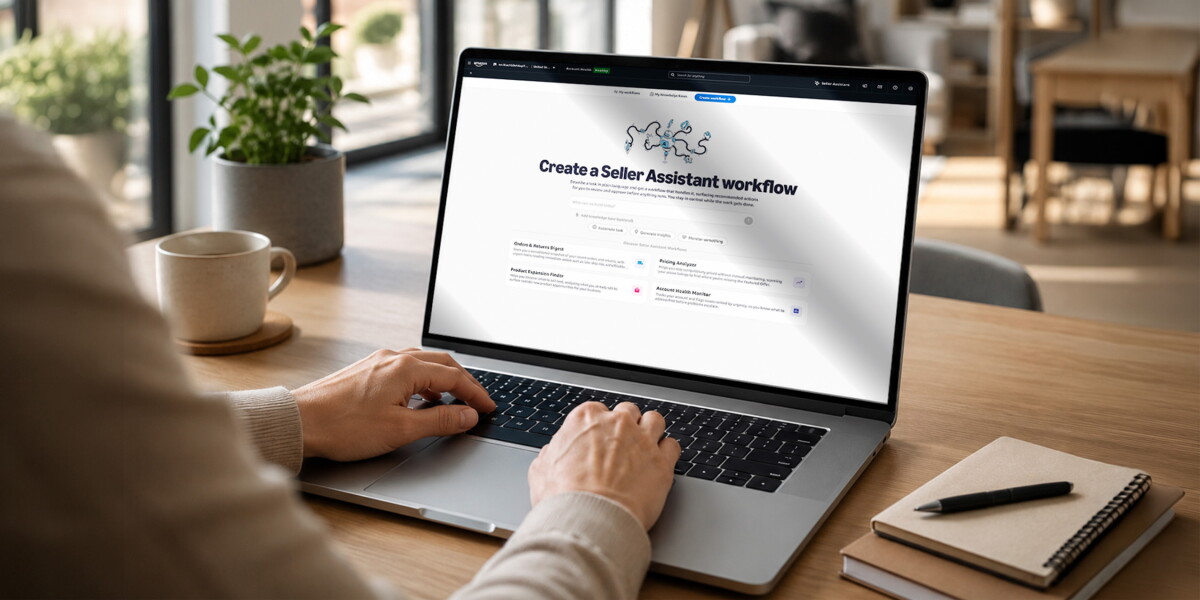
The Prime badge leaves Amazon.com
Amazon announced on September 24, 2026, that merchants using its Multichannel Fulfillment (MCF) service can now show a Prime delivery badge and offer fast, free Prime shipping directly on their own websites, at no additional cost on top of what they already pay for standard MCF fulfillment. MCF is the part of Amazon Supply Chain Services (ASCS) that lets merchants store inventory in Amazon's warehouse network and have Amazon pick, pack, and ship orders placed anywhere, not just on Amazon.com, across 11 countries.
The change is available now to both new and existing MCF merchants in the United States, a base Amazon describes as hundreds of thousands of sellers already using the service.
How it actually works at checkout
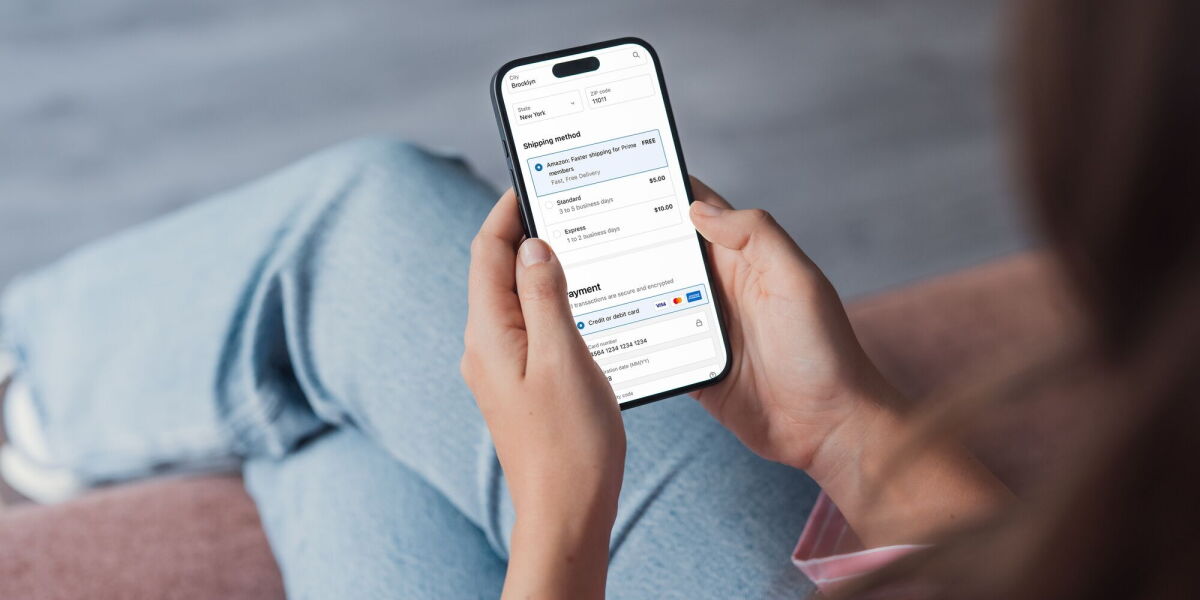
The mechanics matter more than the marketing here. Once a merchant activates the feature, a Prime badge appears on their product pages. A shopper who is an Amazon Prime member can select Prime delivery as a shipping option at checkout, and Amazon verifies that Prime membership after the purchase goes through. From there, the order is fulfilled out of the merchant's inventory sitting inside Amazon's fulfillment network, the same inventory pool used for that merchant's Amazon.com listings if they sell there too.
One detail that distinguishes this from simply selling on Amazon: order confirmation and tracking still come from the merchant directly, not from Amazon. The merchant's own site remains the customer-facing storefront throughout; Amazon is supplying the logistics underneath it.
Amazon says activating this way is 70 percent faster than setting up its existing standalone "Buy with Prime" product. For now, the fastest path in is through Amazon's MCF integration and the Buy with Prime app for Shopify, with support for Amazon's Selling Partner API and additional third-party platforms, including Fulfil, LingXing, and WebBee, described as coming soon.
The fee cut is the second half of the announcement
Alongside the Prime badge rollout, Amazon introduced the MCF Preferred Pricing Program, which cuts fulfillment fees by 15 to 25 percent for a merchant's first six months, applied across orders placed on the merchant's own site, on other marketplaces, and through social-commerce channels, not just on Amazon.
That combination, a free badge plus a temporary fee discount, is clearly designed to pull sellers who already use Amazon for warehousing into using it for their independent storefronts too, rather than splitting that volume between Amazon's fulfillment network and a separate carrier relationship.
The numbers Amazon is using to sell it
Amazon backed the announcement with adoption figures rather than projections. Among early merchants who turned the feature on, more than 40 percent of eligible orders on average have shipped with Prime delivery since launch. Separately, merchants who combine MCF with Fulfillment by Amazon (FBA, Amazon's program for storing and shipping inventory sold on Amazon.com itself) reported an average 19 percent reduction in how often they run out of stock and a 12 percent average improvement in how quickly inventory turns over, alongside an 18 percent average increase in sales after adding MCF to channels beyond Amazon.
Amazon also cited its own research on Prime member behavior: shoppers who see a Prime badge are, on average, 40 percent more likely to make a first purchase from a site and 50 percent more likely to buy from that site again.
One named example in Amazon's announcement is Skinnies Instant Lifts, whose general manager, Gabriella Luksander, said the badge "changes their confidence level, especially first-time buyers," referring to shoppers seeing Prime delivery on the brand's own site, and reported roughly a 10 percent sales increase with fulfillment taking about a day and a half. Peter Larsen, vice president of Amazon Supply Chain Services, framed the move around merchant demand: "Merchants keep telling us the same thing: they want to use our logistics everywhere they sell because we're fast, reliable, and help them manage their inventory in one place."
What it means in practice
For a merchant already paying for MCF, turning on the Prime badge and applying for the six-month fee discount is close to a free trial: the badge costs nothing extra, and the discount only lowers a bill that already exists. The bigger decision is strategic rather than financial. Putting a Prime badge on an independent storefront ties a merchant's own checkout experience more tightly to Amazon's brand and verification system, which is exactly the trust signal Amazon's data suggests drives first-time purchases, but it also means a merchant's delivery reputation on their own site now depends partly on Amazon's fulfillment performance rather than a carrier the merchant chose directly. Sellers who already run FBA and MCF side by side have the least to lose in testing this, since Amazon's own figures suggest that combination is already improving their stock and turnover numbers before the badge is even added.